Archaeological discoveries continue to rewrite our understanding of the distant past, offering tantalizing glimpses into the lives, technologies, and beliefs of ancient civilizations. From deciphering long-lost languages to uncovering monumental structures, these findings provide invaluable insights into the human story. In 2026, new techniques and interdisciplinary collaborations are accelerating the pace of discovery, revealing secrets that were once thought lost to time. These recent discoveries are not just about old stones and artifacts; they’re about understanding the origins of our societies and cultures, shedding light on innovations, adaptations, and even the collapses of past empires. Let’s delve into some of the most compelling recent archaeological findings that are reshaping our view of the ancient world.
Unveiling Göbekli Tepe’s Astronomical Secrets
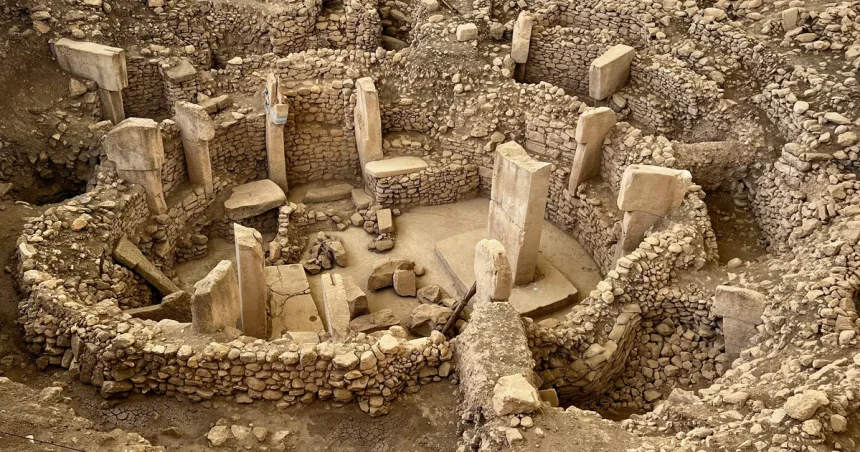
Göbekli Tepe, located in southeastern Turkey, continues to fascinate researchers with its monumental circular structures and intricately carved T-shaped pillars, dating back over 11,000 years. Recent studies have focused on the astronomical alignments of these structures, suggesting that the site may have served as an early observatory. Researchers are analyzing the positioning of the pillars in relation to celestial events, such as solstices and equinoxes, to understand the cosmological beliefs and understanding of the people who built and used Göbekli Tepe. The site predates settled agriculture, challenging previous assumptions about the social and intellectual capabilities of hunter-gatherer societies.
New research suggests that certain pillars at Göbekli Tepe might commemorate a comet strike that occurred around 10,950 BCE, possibly linking the site to catastrophic events that might have influenced the development of early agriculture. This theory proposes that the carvings on the pillars are not merely symbolic but also record historical events, indicating a sophisticated system of knowledge transmission. Analysis of the symbolic language used in the carvings is ongoing, providing clues about the stories and beliefs of these prehistoric people. The continued excavation of Göbekli Tepe promises further insights into the dawn of civilization.
Deciphering the Olmec Script
For decades, scholars have debated whether the Olmec civilization, which flourished in Mesoamerica from around 1400 to 400 BCE, possessed a writing system. Recent discoveries of inscribed artifacts and advancements in decipherment techniques are providing compelling evidence that the Olmecs indeed had a form of writing. Researchers are focusing on the Cascajal Block, a stone tablet containing a series of unique glyphs that are believed to represent an early form of Mesoamerican script. The decipherment process involves analyzing the patterns and combinations of glyphs to understand their possible meanings and grammatical structures.
Although the Olmec script remains largely undeciphered, progress is being made by comparing the glyphs to later writing systems, such as those of the Maya and Zapotec civilizations. This comparative approach is helping to identify potential cognates and similarities, shedding light on the evolution of writing in Mesoamerica. Further discoveries of inscribed artifacts are crucial for expanding the corpus of Olmec texts and facilitating more comprehensive decipherment efforts. Successfully decoding this script would offer invaluable insights into the Olmec language, history, and culture, and potentially revolutionize our understanding of Mesoamerican origins. Resources like the Foundation for the Advancement of Mesoamerican Studies (famsi.org) are central to this research.
The Antikythera Mechanism Secrets Revealed
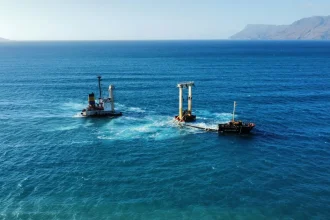
The Antikythera Mechanism, discovered in a shipwreck off the Greek island of Antikythera in 1901, has long been considered the world’s oldest analog computer. Recent advancements in imaging technology and computational modeling have allowed researchers to reconstruct the mechanism in unprecedented detail, revealing its intricate system of gears and dials used to predict astronomical events. Studies published in 2021 have helped reveal how the device meticulously predicted eclipses and tracked planetary movements. Analysis also shows a small display indicating the color of the next eclipse, a previously unknown feature.
A Deeper Dive into the Mechanism’s Function
The latest research reveals that it could also predict the dates of the ancient Olympic Games. This functionality highlights the importance of calendrical calculations and astronomical knowledge in ancient Greek society. Researchers are now working to understand the full extent of the mechanism’s capabilities and its potential influence on ancient science and technology. The Antikythera Mechanism serves as a testament to the ingenuity and sophisticated scientific thinking of the ancient Greeks and may be the tip of the iceberg regarding more advanced technology from this time.
New Discoveries at Pompeii and Herculaneum
The ancient Roman cities of Pompeii and Herculaneum, destroyed by the eruption of Mount Vesuvius in 79 CE, continue to yield remarkable archaeological discoveries. Recent excavations have uncovered beautifully preserved villas, shops, and homes, offering intimate glimpses into the daily lives of the Roman citizens who once lived there. One of the most significant finds is a thermopolium (ancient snack bar) with vibrant frescoes depicting food and drinks, providing valuable insights into Roman culinary practices. Additionally, skeletal remains are being analyzed using advanced techniques to understand the health, diet, and genetic makeup of the inhabitants.
Ongoing excavations at Pompeii and Herculaneum are focused on uncovering previously unexplored areas of the cities, including the suburbs and harbor districts. These areas offer the potential to reveal new aspects of Roman urban planning, commerce, and social life. Furthermore, the use of non-invasive techniques, such as ground-penetrating radar, is helping to map the buried infrastructure and identify promising areas for future excavation and preservation efforts. Preserving these sites is critical; organizations like the Archaeological Institute of America (archaeological.org) play a key advocacy role.
The Rise and Fall of Cahokia
Cahokia, located near present-day St. Louis, Missouri, was the largest pre-Columbian city north of Mexico, flourishing between 1050 and 1350 CE. Recent archaeological investigations are shedding new light on the rise and fall of this complex society, revealing insights into its social organization, religious beliefs, and environmental challenges. Studies of the city’s monumental earthworks, including Monks Mound, the largest prehistoric structure in North America, are providing clues about the cosmological significance of these structures. Ongoing research is also focused on understanding the factors that led to Cahokia’s eventual decline and abandonment.
Analysis of human remains and artifacts from Cahokia is revealing evidence of social stratification, ritual practices, and long-distance trade networks. The discovery of mass graves containing individuals who appear to have been sacrificed suggests that human sacrifice played a role in Cahokia’s religious ceremonies. Furthermore, studies of the city’s environmental record, including pollen analysis and sediment cores, are providing insights into the impact of deforestation and soil erosion on Cahokia’s sustainability. Understanding the reasons for Cahokia’s decline is essential for learning about the ecological impacts of large urban centers.
Unlocking the Secrets of the Bronze Age Collapse
The Bronze Age collapse, a period of widespread societal upheaval and decline that occurred around 1200 BCE, remains one of the most enigmatic events in ancient history. Recent archaeological discoveries from sites across the Mediterranean and Near East are providing new clues about the causes and consequences of this collapse. Researchers are examining evidence of warfare, migration, and environmental change to understand the complex interplay of factors that may have contributed to the decline of Bronze Age civilizations. Analysis of trade routes and diplomatic correspondence is also shedding light on the interconnectedness of these societies and the ripple effects of local crises.
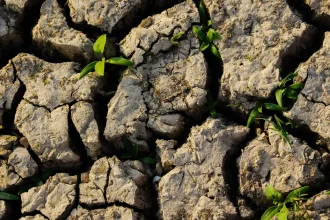
New dating techniques and archaeological evidence supports the theory that climate change played a significant role in the Bronze Age Collapse. Evidence of prolonged droughts and crop failures has been found at several excavation sites in the region. Studies are increasingly focusing on the correlation between environmental stressors and sociopolitical instability, highlighting the vulnerability of ancient societies to climate change. These findings have immense significance for understanding how societies respond to large-scale upheaval in 2026.
Key Takeaways
- Göbekli Tepe’s astronomical alignments suggest advanced knowledge in prehistoric societies.
- Deciphering the Olmec script could revolutionize our understanding of Mesoamerican writing.
- The Antikythera Mechanism demonstrates the sophistication of ancient Greek technology.
- Pompeii and Herculaneum offer invaluable insights into daily Roman life.
- Cahokia’s rise and fall provide lessons about the challenges of urbanization.
- The Bronze Age collapse offers valuable lessons for societies facing change.
Frequently Asked Questions
What is the significance of Göbekli Tepe?
Göbekli Tepe is significant because it is the oldest known monumental structure, dating back over 11,000 years, predating agriculture. It challenges previous assumptions about the capabilities of hunter-gatherer societies and suggests that complex social organization and religious beliefs emerged earlier than previously thought.
How is the Olmec script being deciphered?
The Olmec script is being deciphered through comparative analysis with later Mesoamerican writing systems, identification of patterns within the glyphs, and contextual analysis of the artifacts on which the glyphs are found. Progress is slow, but each new discovery offers more context and may offer a clearer understanding of the early script.
What does the Antikythera Mechanism tell us about ancient Greek science?
The Antikythera Mechanism demonstrates that the ancient Greeks possessed a sophisticated understanding of astronomy, mathematics, and engineering. It reveals their ability to create complex mechanical devices for predicting astronomical events, showcasing their advanced scientific thinking.
Why are Pompeii and Herculaneum important archaeological sites?
Pompeii and Herculaneum are important archaeological sites because they were preserved in a unique event by volcanic ash; the destruction of the cities also preserved the material culture. They now offer unparalleled insights into the daily lives, architecture, and social organization of ancient Roman cities, providing a snapshot of Roman society in the first century CE.
What led to the decline of Cahokia?
The decline of Cahokia was likely caused by a combination of factors, including environmental degradation, overpopulation, social unrest, and perhaps even climate change. Deforestation, soil erosion, and resource depletion may have strained the city’s ability to sustain its large population, leading to decline and abandonment.
Conclusion
The recent archaeological findings highlighted in this article demonstrate the ongoing importance of archaeological research in shaping our understanding of the past. From deciphering ancient scripts to uncovering monumental structures, these discoveries provide invaluable insights into the diverse cultures, technologies, and challenges faced by ancient civilizations. As new techniques and interdisciplinary collaborations continue to emerge, we can expect even more exciting revelations about the human story in the years to come. These discoveries teach valuable lessons that can positively influence our future in 2026.