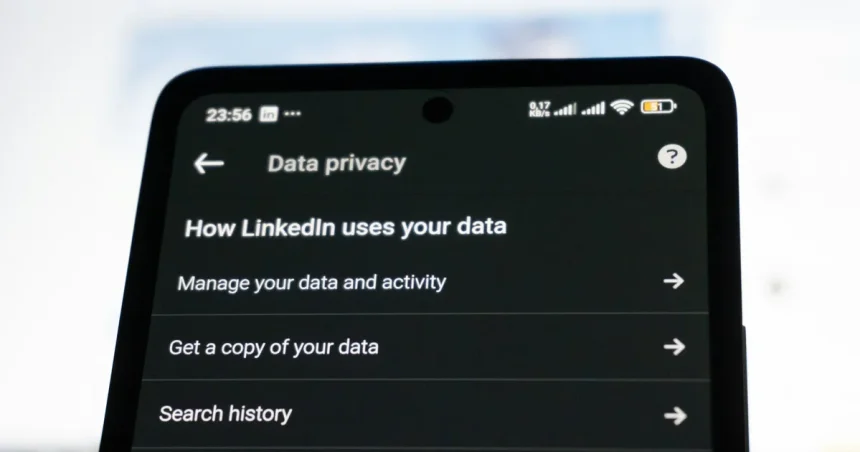
Understanding the most important smartphone privacy updates is essential for anyone navigating the complex digital landscape of 2026. As mobile operating systems evolve, the focus has shifted from simple permission pop-ups to deeply integrated, hardware-level security measures that protect user identity and behavioral data. Modern smartphones are no longer just communication tools; they are repositories of our most sensitive information, making privacy-centric engineering a top priority for manufacturers. These updates represent a fundamental shift in how data is harvested, processed, and shared across the global ecosystem. By staying informed about these technical transitions, users can better safeguard their personal lives against unauthorized surveillance and data brokerage. This article explores the critical advancements in mobile privacy that define the current era of secure personal computing.
The Rise of On-Device AI Processing
One of the most significant shifts in the mobile industry involves moving artificial intelligence tasks from remote servers directly onto the local device. Historically, voice assistants and image recognition tools required sending data to the cloud for processing, which created numerous privacy vulnerabilities. In 2026, leading manufacturers have optimized neural processing units to handle complex generative AI tasks locally. This transition ensures that sensitive prompts, personal photos, and voice recordings never leave the smartphone’s encrypted storage. By keeping the computational workload on-device, companies effectively eliminate the risk of massive data breaches occurring during transit or while stored on centralized corporate servers, providing users with a more private experience.
- Mastering the Digital Workspace: How Modern Gadget Features Are Revolutionizing Remote Productivity
- New Cybersecurity Trends: Adapting Internet Safety Practices for 2024
- 10 Future Technology Innovations Redefining Everyday Human Lifestyles
- 10 Best AI Tools to Revolutionize Your Digital Productivity in 2024
Furthermore, on-device processing allows for real-time privacy filtering that can intercept malicious data requests before they reach the application layer. These AI-driven systems monitor app behavior to detect unusual patterns that might suggest unauthorized background recording or data scraping. As these models become more sophisticated, they can provide proactive warnings to users, explaining exactly why an app might be acting suspiciously. This level of transparency is a cornerstone of the important smartphone privacy updates seen this year, as it empowers individuals to make informed decisions about the software they trust. The decentralization of data processing marks a major milestone in the ongoing effort to return digital sovereignty back to the end user.
Granular Location Permissions and Obfuscation
Location tracking has long been a primary concern for privacy advocates, but recent updates have introduced highly granular controls to mitigate these risks. Users can now choose to provide apps with “approximate” location data rather than precise GPS coordinates, which is often sufficient for services like weather reporting or local news. This feature creates a digital “fuzzing” effect, where the phone reports a general area instead of an exact street address. This obfuscation technique prevents third-party advertisers from building detailed maps of a user’s daily movements. According to the Electronic Frontier Foundation, these types of technical safeguards are vital for preventing the long-term profiling of individuals based on their physical habits and routines.
Beyond simple obfuscation, 2026 has introduced “one-time” location tokens that automatically expire after a specific task is completed. For instance, if you grant a delivery app access to your location to receive a package, that permission is revoked the moment the transaction is finalized. This prevents the “permission creep” that occurs when apps continue to track users in the background long after their initial utility has ended. System-level dashboards now provide a chronological heat map showing exactly when and where each application accessed the device’s location. This visual transparency forces developers to be more accountable and ensures that location data is treated as a temporary privilege rather than a permanent right for the software developer.
Quantum-Resistant Encryption Standards
The threat of future quantum computing capabilities has prompted a massive overhaul of the encryption standards used in mobile messaging and cloud backups. While standard end-to-end encryption is currently secure, the industry is moving toward post-quantum cryptography to protect data against “harvest now, decrypt later” attacks. These important smartphone privacy updates involve implementing complex mathematical algorithms that are theoretically resistant to quantum-level processing power. Leading platforms like iMessage and Signal have already begun integrating these protocols to ensure that private conversations remain confidential for decades to come. This proactive approach is necessary because the data we share today could otherwise be vulnerable to decryption as computing technology advances over the next ten years.
In addition to messaging, these quantum-resistant standards are being applied to full-disk encryption and cloud synchronization services. When you back up your smartphone to a remote server, the encryption keys are now generated using these advanced algorithms, ensuring that even if a server is compromised, the data remains unreadable. This shift represents a significant engineering challenge, as it requires more computational resources without sacrificing battery life or performance. Manufacturers have successfully managed this balance by integrating specialized hardware accelerators into the latest mobile chipsets. Users benefit from the highest level of security available today, knowing that their digital footprint is protected by the most advanced cryptographic defenses ever deployed in consumer electronics.
App Tracking Transparency and Data Manifests
The evolution of App Tracking Transparency (ATT) has reached a new peak in 2026, requiring developers to provide even more detailed “privacy manifests” before their apps are listed in stores. These manifests serve as a digital nutritional label, outlining every specific data point the app intends to collect and for what purpose. If a developer attempts to collect data that was not explicitly declared in the manifest, the operating system automatically blocks the request. This system-level enforcement creates a rigid framework that prevents “shadow tracking,” where apps use hidden SDKs to gather information about users without their knowledge. This transparency allows users to see the commercial intent behind the software they install on their devices.
Moreover, the operating system now provides a monthly “Privacy Audit” report that summarizes how many times apps attempted to contact tracking domains. This report highlights which apps are the most aggressive in their data collection efforts, allowing users to find more privacy-respecting alternatives. By quantifying the frequency of tracking attempts, mobile platforms have made the invisible economy of data brokerage visible to the average consumer. This awareness has led to a significant shift in the market, where privacy-centric apps are gaining more traction than those that rely on intrusive advertising models. The enforcement of these manifests ensures that privacy is no longer an optional feature but a mandatory requirement for participation in the mobile ecosystem.
Biometric Data Isolation and Sandboxing
Biometric authentication, such as facial recognition and fingerprint scanning, has become the standard for unlocking devices and authorizing payments. To protect this sensitive biological data, modern smartphones utilize a “Secure Enclave” or a dedicated hardware security module that is physically isolated from the rest of the processor. This isolation ensures that even if the main operating system is compromised by malware, the biometric templates remain inaccessible to attackers. Recent updates have further enhanced this sandboxing by introducing “Secure Path” technology, which encrypts the data as it travels from the sensor to the secure processor. This prevents any form of interception during the authentication process, making biometric spoofing significantly more difficult for hackers.
The Integration of Zero-Knowledge Proofs
Zero-knowledge proofs (ZKPs) are a revolutionary addition to the mobile privacy toolkit in 2026, allowing users to verify their identity without sharing actual sensitive data. For example, a user can prove they are over the age of 21 to a service provider without revealing their actual birth date or name. The smartphone generates a cryptographic proof that the condition is met, which the service provider can verify without ever seeing the underlying documentation. This technology is being integrated into digital IDs and health passes, ensuring that personal details are shared only on a “need to know” basis. ZKPs represent a major leap forward in minimizing the amount of data users must expose during routine digital transactions.
The implementation of sandboxing also extends to how third-party apps interact with biometric sensors. Apps no longer receive the actual image of a fingerprint or face; instead, they receive a simple “pass/fail” token from the operating system. This architectural choice ensures that no third-party developer can build a database of user biometrics. As mobile devices become the primary tool for digital identity, these hardware-level protections are essential for preventing identity theft and unauthorized access. By strictly limiting access to biometric hardware, smartphone manufacturers have created a robust defense layer that protects the physical identity of the user from digital threats. These updates are a testament to the sophisticated engineering required to maintain privacy in an interconnected world.
Comparing Platform Privacy Architecture
When evaluating the current mobile landscape, it is helpful to compare how different operating systems implement these important smartphone privacy updates. While both major platforms have made significant strides, their approaches differ based on their underlying business models. One platform might prioritize hardware-level isolation, while another focuses on providing users with extensive software-based controls and transparency reports. Understanding these nuances helps consumers choose the device that best aligns with their personal privacy requirements. The following table highlights the key differences and similarities in how privacy features are deployed across the two dominant smartphone ecosystems in 2026, providing a clear overview of the current state of mobile security.
| Feature | Platform A (Hardware Focused) | Platform B (Software Focused) |
|---|---|---|
| AI Processing | Fully local NPU execution | Hybrid cloud-local model |
| Encryption | Default Post-Quantum | Opt-in Post-Quantum |
| Location Control | Mandatory fuzzing options | Granular permission dashboard |
| App Transparency | Strict manifest enforcement | Real-time tracking alerts |
| Biometrics | Isolated Secure Enclave | Trusted Execution Environment |
As shown in the comparison, both platforms are moving toward a more secure future, though they take different paths to get there. Platform A tends to enforce privacy through rigid hardware constraints, which offers high security but can sometimes limit developer flexibility. Platform B, conversely, offers more user-facing controls, allowing individuals to customize their privacy settings to a greater degree. Regardless of the chosen platform, the trend is clear: privacy is becoming the primary differentiator in the competitive smartphone market. Consumers are increasingly making purchasing decisions based on a company’s reputation for data protection, forcing all manufacturers to elevate their security standards to remain relevant in 2026 and beyond.
Key Takeaways
- On-device AI processing ensures that sensitive data like voice and images never leave the smartphone.
- Granular location controls allow users to share approximate data and use one-time permissions to stop background tracking.
- Quantum-resistant encryption is being deployed to protect long-term data privacy against future computing threats.
- App privacy manifests provide a transparent “nutrition label” for data collection, making shadow tracking much harder.
- Biometric data is isolated in secure hardware, ensuring that fingerprints and facial scans are never shared with apps.
- Zero-knowledge proofs allow for identity verification without exposing the actual underlying personal information.
Frequently Asked Questions
What is on-device AI and why does it matter for my privacy?
On-device AI refers to the ability of your smartphone to process complex artificial intelligence tasks, such as voice recognition or image editing, locally on its own processor. This is important because it means your data does not need to be sent to a company’s servers to be analyzed. By keeping the data on your phone, you reduce the risk of your personal information being intercepted, leaked in a data breach, or used for advertising profiles without your consent.
How do approximate location settings protect me from advertisers?
Approximate location settings allow you to give an app a general idea of where you are (such as your city or neighborhood) without revealing your exact GPS coordinates. This is useful for apps like weather or local news that don’t need to know your precise address. By withholding your exact location, you prevent apps from tracking your specific movements, such as which stores you visit or where you live and work, which protects you from hyper-targeted advertising.
Are my fingerprints and face scans stored on the cloud?
No, modern smartphones do not store biometric data like fingerprints or facial scans in the cloud. Instead, this information is converted into a mathematical representation and stored in a “Secure Enclave” or “Trusted Execution Environment” on your phone’s hardware. This area is physically separated from the rest of the device’s storage and is not accessible to the operating system or third-party apps, ensuring your biological data remains private and secure.
What should I look for in an app’s privacy manifest?
When reviewing an app’s privacy manifest in the app store, look for what types of data the app collects and whether that data is “linked” to your identity. You should be cautious of apps that request data that seems unnecessary for their function—for example, a simple calculator app that asks for your contact list or location. The manifest is designed to give you a clear picture of the developer’s data practices before you download the software.
Will quantum-resistant encryption make my phone slower?
While quantum-resistant encryption algorithms are more mathematically complex than traditional ones, modern smartphone processors are designed with specific hardware accelerators to handle these tasks efficiently. In 2026, you are unlikely to notice any decrease in performance or battery life when using these secure protocols. The goal of manufacturers is to provide the highest level of security while maintaining a seamless and fast user experience for everyday tasks like messaging and browsing.
Conclusion
The evolution of mobile privacy in 2026 reflects a broader societal demand for greater control over personal digital footprints. By integrating advanced features like on-device AI, quantum-resistant encryption, and zero-knowledge proofs, smartphone manufacturers are building a more resilient foundation for the future of computing. These important smartphone privacy updates are not merely incremental changes; they represent a fundamental redesign of how mobile devices handle human data. As users, staying informed about these advancements is the first step toward reclaiming our digital autonomy. By utilizing these new tools and settings, we can enjoy the convenience of modern technology without compromising our fundamental right to privacy.