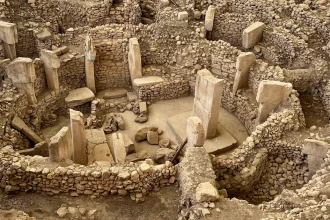
The allure of hidden travel destinations is growing stronger than ever, drawing adventurous global tourists away from overcrowded hotspots and towards authentic, unexplored experiences. In 2026, travelers are increasingly prioritizing unique cultural immersion, sustainable tourism, and the thrill of discovering places untouched by mass tourism. These off-the-beaten-path locations offer not only stunning natural beauty, but also a deeper connection to local communities and a chance to contribute to responsible tourism practices. From remote islands to forgotten cities, the world is full of hidden gems waiting to be explored by those who seek something more than just a typical vacation.
Faroe Islands: Rugged Beauty
The Faroe Islands, an autonomous territory within the Kingdom of Denmark, offer a dramatic landscape of steep cliffs, verdant valleys, and charming villages. Sheep outnumber people, and the culture is deeply rooted in traditional fishing and seafaring. Adventurous tourists can hike to breathtaking viewpoints, take boat tours to see puffins and seals, and explore the islands’ unique history and folklore. The unpredictable weather adds to the allure, creating a constantly changing panorama of mist, sun, and dramatic skies. While tourism infrastructure is developing, the Faroe Islands retain a sense of unspoiled wilderness, making them a perfect destination for those seeking solitude and natural beauty.
Compared to destinations overrun with visitors, the Faroe Islands offer an intimate, almost private, experience. Visitors can engage with the local community, learn about their customs, and enjoy the region’s simple but delicious cuisine, which emphasizes fresh seafood and locally sourced ingredients. Responsible tourism is highly valued, with efforts in place to preserve the fragile environment and support local businesses. The islands’ commitment to sustainability ensures that future generations of travelers can enjoy this remarkable destination as much as we do in 2026.
Svaneti, Georgia: Mountain Majesty
Nestled in the Caucasus Mountains of Georgia, Svaneti is a region of soaring peaks, ancient villages, and unique defensive towers. These towers, dating back to the 9th century, stand as testaments to the region’s turbulent history and its resilient people. Hiking trails wind through stunning alpine meadows, past glaciers, and remote settlements where time seems to have stood still. Svaneti offers a glimpse into a traditional way of life, where hospitality is paramount and the culture is deeply intertwined with the natural environment. Exploring Svaneti is a journey into a world of raw beauty and cultural richness, far removed from the hustle and bustle of modern life. This fascinating travel destination provides experiences that are truly unforgettable.
The development of tourism in Svaneti is carefully managed to protect its unique cultural heritage and environment. Local communities are actively involved in the tourism industry, ensuring that the benefits are shared and that the region’s traditions are preserved. Visitors are encouraged to respect local customs, support local businesses, and minimize their environmental impact. Svaneti offers a model for sustainable tourism, demonstrating how tourism can be a force for good when managed responsibly. This emphasis on community empowerment makes Svaneti a standout destination for ethical travelers.
Exploring the Towers of Svaneti
The iconic Svanetian towers, known as “koshki” in the local language, are the defining feature of the region’s landscape. These medieval defensive structures, built by individual families, served as refuges during times of conflict and symbolize the resilience of the Svanetian people. Many of the towers are still standing today, offering a glimpse into the region’s rich history and architectural heritage. Visitors can explore these towers in a variety of ways, from guided tours to independent hikes through the villages. Climbing to the top of a tower provides a unique perspective on the surrounding landscape and a deeper understanding of Svaneti’s past.
Palawan, Philippines: Hidden Beaches
Beyond the well-trodden tourist trails of the Philippines lies the island province of Palawan, a sanctuary of pristine beaches, towering limestone cliffs, and vibrant coral reefs. While certain areas have become popular, there are still many hidden corners to discover, including secluded coves, secret lagoons, and remote islands where you can escape the crowds. Explore the Bacuit Archipelago, kayak through the crystal-clear waters of El Nido, or delve into the depths of the world-famous Tubbataha Reefs Natural Park. Palawan offers a wealth of natural wonders for adventurous travelers seeking an authentic island experience. The biodiversity and ecotourism are some of the best on offer to global tourists.
Palawan is committed to sustainable tourism practices to preserve its fragile ecosystem. Many resorts and tour operators prioritize eco-friendly initiatives, such as reducing waste, conserving water, and supporting local communities. Visitors are encouraged to participate in responsible tourism activities, such as reef cleanups, mangrove planting, and supporting local businesses. By choosing sustainable options, travelers can contribute to the protection of Palawan’s natural beauty and ensure that future generations can enjoy this paradise. As travel patterns shift and adapt in 2026, it’s important to remember responsible and eco-friendly options when visiting locations like Palawan.
Lake Baikal, Russia: Siberian Jewel
Lake Baikal, the world’s deepest and oldest lake, is a natural wonder located in Siberia, Russia. This UNESCO World Heritage site is home to a unique ecosystem and stunning landscapes, ranging from rugged mountains to sandy beaches. In the winter, the lake freezes over, creating a mesmerizing expanse of turquoise ice formations. In the summer, visitors can hike along the shoreline, explore the surrounding forests, and swim in the refreshing waters. Lake Baikal offers a diverse range of activities for those seeking adventure and natural beauty. It is a true treasure of Russia and a must-see destination for adventurous travelers.
Efforts are underway to protect Lake Baikal’s fragile ecosystem from pollution and unsustainable development. Tourism is carefully managed to minimize its impact on the environment. Visitors are encouraged to respect the lake’s natural beauty and support responsible tourism practices. Eco-friendly accommodations and tour operators are becoming increasingly popular. By choosing sustainable options, travelers can help preserve this natural wonder for future generations. The area must be treated with respect, ensuring places such as Lake Baikal remain pristine in 2026 and beyond.
Dominica: The Nature Island
Often overshadowed by its Caribbean neighbors, Dominica, known as the “Nature Island,” offers a raw and authentic experience far removed from the all-inclusive resorts and crowded beaches. Volcanic landscapes dominate, with lush rainforests, cascading waterfalls, and boiling lakes. Embrace the adventure with hikes through the Morne Trois Pitons National Park, diving or snorkeling in the vibrant coral reefs, or simply soaking in the island’s natural hot springs. Dominica offers a haven for eco-tourists and adventure seekers alike.
Dominica has embraced ecotourism as a cornerstone of its economy, prioritizing sustainability and conservation. The island boasts numerous eco-lodges and tour operators committed to preserving its natural resources, and is becoming a highly sought after hidden travel destination. Visitors can actively participate in conservation efforts, supporting local communities and contributing to the protection of Dominica’s unique biodiversity. This focus on responsible tourism ensures that the island’s natural wonders will remain intact for generations to come, solidifying its reputation as a true “Nature Island.” Be sure to responsibly explore the gorgeous biodiversity.
Albanian Alps: Trekking Paradise
The Albanian Alps, also known as the Accursed Mountains, offer a dramatic landscape of rugged peaks, pristine valleys, and traditional villages. Trekking through these mountains is an unforgettable experience, with trails winding past turquoise lakes, waterfalls, and remote settlements where hospitality is a way of life. The region is relatively unexplored, making it a perfect destination for adventurous hikers seeking solitude and natural beauty. Discover the charm of the Balkans in this stunning corner of Europe.
Sustainable tourism is still in its early stages in the Albanian Alps. Efforts are needed to develop infrastructure and train local communities to manage tourism responsibly. Visitors can play a crucial role by supporting local businesses, respecting local customs, and minimizing their environmental impact. By choosing sustainable options, travelers can contribute to the development of responsible tourism in the region and help preserve its natural beauty for future generations. The wild, rugged beauty makes it worth the effort to explore and support the local communities.
Key Takeaways
- Hidden travel destinations offer authentic experiences and cultural immersion.
- Sustainable tourism practices are crucial for preserving these destinations.
- Adventurous travelers are seeking unique and off-the-beaten-path experiences.
- Supporting local communities is essential for responsible tourism.
- Exploring these destinations requires respect for the environment and local customs.
- The Faroe Islands, Svaneti, Palawan, Lake Baikal, Dominica, and Albanian Alps are examples of amazing places to explore.
Frequently Asked Questions
What defines a “hidden travel destination”?
A hidden travel destination is typically a place that is not yet well-known to mass tourism, offering a more authentic and less crowded experience. These locations often feature unique cultural heritage, stunning natural landscapes, and opportunities for adventure.
How can I ensure my travel is sustainable?
To travel sustainably, choose eco-friendly accommodations, support local businesses, minimize your environmental impact, and respect local customs. Consider carbon offsetting your flights and participating in responsible tourism activities.
What are some essential items to pack for adventurous travel?
Essential items for adventurous travel include sturdy hiking shoes, appropriate clothing for the climate, a first-aid kit, a water filter or purification tablets, a map and compass (or GPS device), and a reliable backpack.
How do I find reliable information about hidden travel destinations?
Research reputable travel blogs, guidebooks, and websites that focus on off-the-beaten-path destinations. Read reviews from other travelers and consult with local tourism boards for reliable information.
What are the benefits of traveling to less crowded destinations?
Traveling to less crowded destinations offers numerous benefits, including a more authentic cultural experience, a deeper connection to nature, reduced environmental impact, and the opportunity to support local economies directly.
Conclusion
The pursuit of hidden travel destinations reflects a growing desire for authentic experiences and responsible travel practices. These locations offer a refuge from mass tourism, providing opportunities for cultural immersion, adventure, and a deeper connection to the natural world. By embracing sustainable tourism and supporting local communities, travelers can contribute to the preservation of these hidden gems for future generations. As the world continues to evolve, the allure of these unspoiled paradises will only grow stronger, attracting adventurous global tourists seeking something more meaningful than just a vacation. Travel today with tomorrow in mind!